

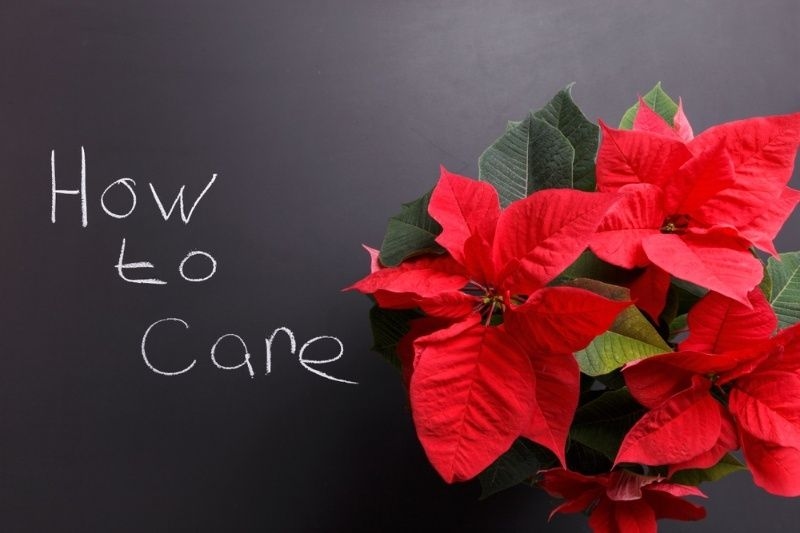
Poinsettias are really popular during the holidays because of their red, pink, and white leaves. Lots of people see them as a holiday decoration and throw them away after Christmas. The truth is, if you take good care of them, you can keep poinsettias alive all year and enjoy their beauty for a long time.
These plants do need some care. It's not that hard once you know what they need. You have to water them and follow some simple care steps for each season. If you do that, your poinsettia will stay healthy. Look great all year. Poinsettias are pretty easy to take care of, and with a bit of attention, they will thrive.
Before we get into caring for poinsettias, let's talk about what they need to survive.
Poinsettias are plants, and they love warm places. They do well in light but not direct sunlight and like it when the temperature stays the same between 15°C and 24°C. If it's too cold or gets cold suddenly, the plant can get hurt fast. They need soil that drains well and doesn't like much water.
One of the mistakes people make is watering them too much, which makes the plant start to decline. Poinsettias are pretty easy to care for if you get their needs right. They thrive in environments with temperatures and moderate watering, and poinsettias love that.
Following essential poinsettia care tips can help your plant stay healthy all year long. These basic steps create the foundation for long-term plant health.
Poinsettia is a plant that needs attention and care in stages all year round. Understanding poinsettia care by month is key to maintaining your plant year-round. A Seasonal Guide to Keep Your Plant Thriving is the ultimate guide here:
When the holiday season is over, your poinsettia plant will probably start to lose its colors. This is okay. You should still water your poinsettia plant. Not too much. It is also an idea to keep your poinsettia plant in a bright spot.
You should cut the plant back to around 4 to 6 inches. This will help the plant grow parts, and it will stay nice and small. The plant will look better when you do this to it.
When it is summer, your poinsettia starts to grow. You can put your poinsettia outside in a spot if the weather is warm. Your poinsettia needs water all the time and food sometimes.
This is an important time for your plant. Your plant needs to be in darkness for 12 to 14 hours every day. This has to happen for 8 weeks. This is what helps your plant grow the colored parts that people like. Your plant needs this to make the colored bracts. The colored bracts are what make your plant so pretty.
Your poinsettia will start to look really nice just when the holidays are coming. You can put it back in its spot, and it will start to show its vibrant colors. This is because you took care of it. Now you can just leave it where it gets the amount of light, and you will see the results of all your hard work with your poinsettia.
Many people wonder how to care for poinsettias outside. But it is nothing complex. The good news is that they can thrive outdoors under the right conditions.
Place your plant in a partially shaded area where it receives indirect sunlight. Avoid direct midday sun, as it can scorch the leaves.
It is important to ensure the temperature stays above 10°C, as poinsettias are sensitive to cold. Water regularly, but make sure the soil drains well to prevent root rot. Outdoor care can promote stronger growth, especially during the warmer months.
Know More: Flower Food DIY Recipes to Keep Your Blooms Fresh at Home
With good intentions, certain mistakes can hurt your poinsettia. Here are some errors to avoid to make it last longer.
Reblooming poinsettias can be really tough. To make it happen, you have to trick the plant into thinking it's getting days. So from fall on, put your poinsettia in a dark room for 12 to 14 hours every day.
When it's daytime, move it back to a spot with indirect light.
This trick, called photoperiodism, makes the poinsettia grow those leaves that everyone loves. The thing is, you have to stick to it. If you miss a day, it can delay the blooming of your poinsettia. Reblooming poinsettias needs patience and a consistent routine.
Keeping poinsettias alive all year is a thing. It helps you save money because you do not have to buy poinsettias every year. Taking care of poinsettias is also very fun. It makes you feel happy to see them grow.
Poinsettias are great for making your home look nice all year round. They also help you take care of plants in a way that's good for the earth. With care, your poinsettias can stay alive for a long time and be a nice part of your home.
To keep your poinsettia happy and healthy, you should do a few things.
Taking care of your poinsettia regularly will keep it healthy and looking nice.
Learning how to keep poinsettias alive all year is easy. With watering, lighting, and seasonal care, these beautiful plants can thrive well after the holiday season. By following some tips on caring and preserving poinsettias, you can enjoy a healthy plant all year.
At flovershop, we think every poinsettia deserves to live beyond just the holiday season. With effort and consistency, your poinsettia plant can brighten your space every year. Poinsettias need care that changes with the months, and knowing how to care for them is also important.
Poinsettias need water when the top soil feels dry. Don't overwater them. The roots might rot. Make sure the pot drains well. Usually watering once a week is enough. It might be different if it's hot or humid. Poinsettias, like that. Check the soil every week. Water your poinsettias if it feels dry.
Poinsettias can survive outside in places where it does not get colder than 10 degrees Celsius. In areas, they should be kept inside during winter. Poinsettias need some shade. The right amount of water to do well when they are outside, during warmer months. Poinsettias will thrive if you give them care.
Leaf drop happens when your plant gets stressed. This stress can come from overwatering, not watering enough, or being near a draft. Even sudden temperature changes and not getting enough light can cause it. If you figure out what's wrong and fix it fast, your plant might get better.
This content was created by AI