

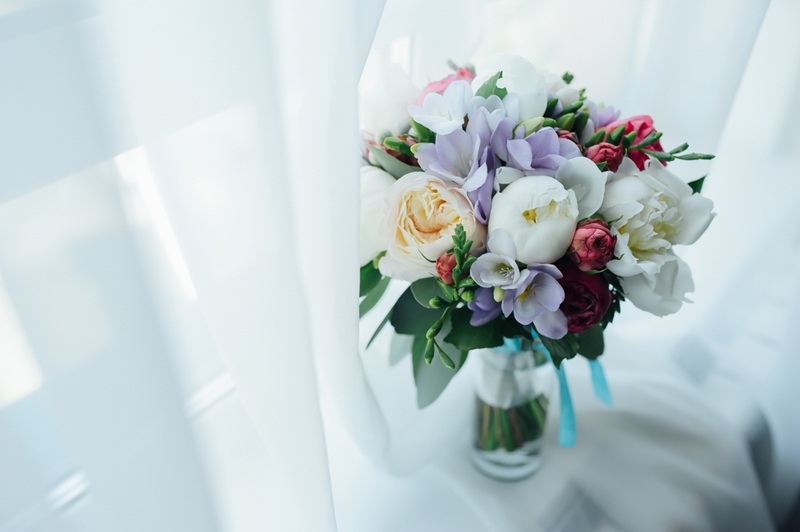
The search for how to make a flower bouquet is very common for people who want to create something on their own. A bouquet may look effortless, but there is structure behind it. Shape, balance, and placement all matter.
This blog will help you understand how to make a flower bouquet and find out the most practical flower arrangement tips.
Must Read: 11 Delightful Gifts for Flower Lovers That They Will Adore
You need to consider the following factors for a DIY flower bouquet:
The condition of the flowers determines the final quality. Stems should feel firm, not soft. Leaves should look clean and green. Petals must not show dark edges. Slightly closed buds often open slowly and last longer. Preparing flowers properly at the start saves problems later.
A bouquet without a color plan often looks unbalanced. Selecting one main shade and pairing it with two supporting tones keeps the design structured. A DIY flower bouquet benefits from simplicity in color because it keeps the overall look controlled and neat.
Larger flowers usually work best near the center. Medium blooms support them, while smaller filler flowers close the gaps. This layered effect prevents the bouquet from appearing flat. Mixing sizes creates natural depth without extra effort.
The 5 most common bouquet wrapping ideas are explained in the following list:
Brown paper gives a clean and natural finish. It suits everyday gifting and simple arrangements. The neutral tone keeps attention on the flowers instead of the wrapping.
Transparent wrapping allows the bouquet to remain fully visible. It protects the stems and adds a structured outline. This option works especially well with colorful blooms.
Cotton or linen fabric provides a formal touch. The texture adds depth without overpowering the arrangement. Fabric wrapping feels composed and intentional.
Jute creates a rustic appearance that pairs well with greenery. Tying it with simple twine keeps the bouquet secure. This method feels natural but is still organized.
Less wrapping looks better in some cases. Exposed stems tied with a neat ribbon shift focus entirely to the flowers. This approach remains one of the most practical bouquet wrapping ideas because it clearly highlights the arrangement.
Top Pick: How to Dry Flowers Tips for Bouquets Roses and Keepsakes
Understanding how to arrange flowers makes the difference between a loose bundle and a structured bouquet. These principles guide the arrangement process.
Every bouquet should have a center point. One large bloom or a small cluster of main flowers works well. This focal area defines the direction of the entire design.
Hold stems at a slight angle and rotate them as you add more flowers. This technique forms a rounded shape naturally. It also keeps the stems organized for tying later.
Cutting stems at an angle improves water absorption. Fresh cuts help maintain flower strength. This small detail improves overall longevity.
After placing the flowers, check the bouquet from multiple sides. If one side appears heavier, adjust the stems. Balanced spacing is essential when learning how to arrange flowers correctly.
You can refer to the following steps to make a flower bouquet on your own:
Lay out all the materials before you begin. Trim the leaves on the lower stems. This is important so that you can work efficiently.
Select one or three main flowers and hold them together. These flowers determine the length and the center. These flowers are the main structure around which the rest of the flowers are arranged.
Insert the smaller flowers around the base while rotating the bouquet slightly. The space between the flowers remains the same. This ensures that the bouquet is not crowded.
Insert the greenery slightly below the flowers. This frames the bouquet. The greenery also helps to soften the edges of the bouquet.
Tie the stems securely with a ribbon or twine. Trim the bottom of the stems so that they can stand properly in the water. From these steps, you can see how to make a flower bouquet that looks nicely arranged.
Details matter in floral work. These flower arrangement tips improve both appearance and longevity.
Change the water every two days. Clean water supports freshness and reduces odor.
Avoid placing bouquets near sunlight or warm appliances. Cooler spaces extend flower life.
Three or five focal flowers often create better visual balance than even numbers.
Damaged petals affect the entire look. Removing them keeps the bouquet clean.
Beginners should focus on round designs before attempting complex forms. These flower arrangement tips help build steady progress.
Starting with a simple structure makes learning easier. Floral design for beginners focuses on clarity instead of complexity.
Two or three shades are enough. Too many colors create confusion in the arrangement.
One bloom or a small group should draw attention first. Supporting flowers must enhance this focal point.
The bouquet should feel stable in height and width. Extreme proportions make handling difficult.
Greenery should frame the flowers lightly. Too much foliage hides the main blooms.
Learning how to make a flower bouquet is about control, balance, and steady placement. With fresh flowers, thoughtful wrapping, and structured arranging, anyone can create a bouquet that looks clean and intentional. The more one practices, the more natural the process becomes. Simple steps, consistent effort, and attention to detail lead to better results every time.
Most bouquets last five to seven days with regular water changes and proper trimming.
Greenery is not required, but it improves balance and depth.
Wrapping is useful for gifting, but bouquets placed directly in a vase may not require it.
Stems should be trimmed every two days when changing the water to maintain freshness.
This content was created by AI